
Silicon carbide is now an important material in industrial manufacturing, chemical processes, and thermal engineering. In contrast to metals and other traditional ceramics, SiC is stable even when subjected to loads that other materials cannot withstand.
This article is about the chemical properties of silicon carbide described in an applied way. After reading, you will know how to select suitable SiC parts for your particular application.
What is Silicon Carbide?
Silicon carbide is a synthetic ceramic compound formed from silicon and carbon atoms. Although SiC exists as the mineral moissanite in nature, almost all of the silicon carbide used industrially is produced synthetically.
There are many types of industrial silicon carbide available. These types are made for different purposes, but all of them have the basic characteristics of silicon carbide.
For those who are new to silicon carbide, read our last article to learn about this material.
Chemical Properties of Silicon Carbide
The chemical stability of silicon carbide creates distinct performance characteristics across different environments. Do you know how SiC interacts with the most common industrial media and conditions? This part will show you the details.
High-Temperature Oxidation Resistance
Most metal materials oxidize rapidly and lose strength above 600℃, while silicon carbide remains chemically stable at far higher temperatures.
In air, SiC begins very slow oxidation only when temperatures exceed 800℃. During this initial oxidation, a thin, dense layer of silicon dioxide (SiO2) forms on the material surface.[1]
This protective film blocks oxygen from reaching the underlying material. It slows oxidation rates significantly, and in many cases oxidation nearly stagnates. The protective film only begins to break down above 1,600℃, and oxidation speeds increase.
In inert atmospheres such as argon or nitrogen, SiC remains stable up to approximately 2,000℃. This makes it suitable for vacuum furnaces and controlled-atmosphere processing systems.
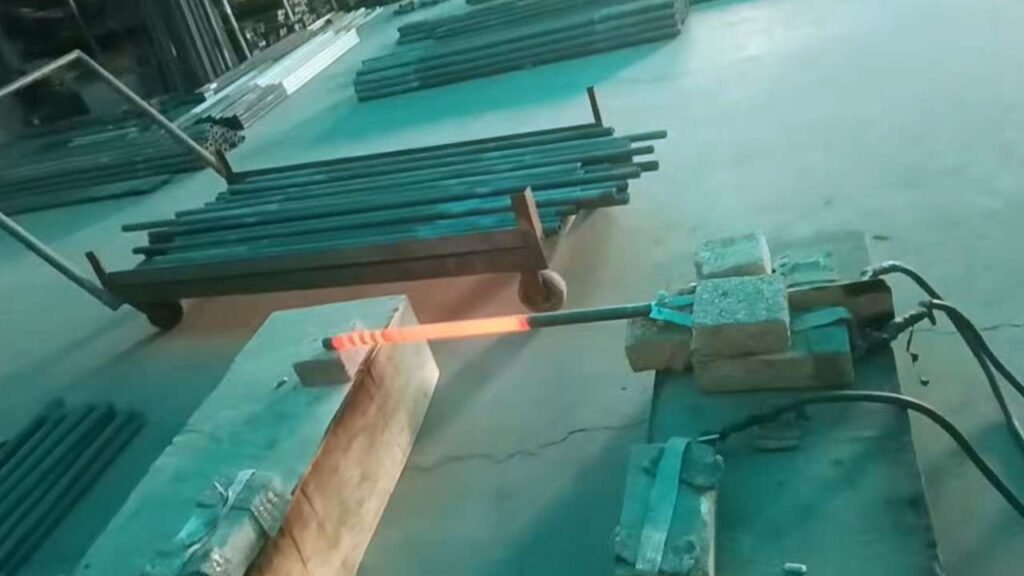
Acid Corrosion Resistance
At room temperature, dilute sulfuric acid, hydrochloric acid, nitric acid, even concentrated strong acids cause virtually no corrosion to silicon carbide components. This resistance far exceeds that of stainless steel, Hastelloy, and most other corrosion-resistant metals.
Only specific acid mixtures, for example, combination of concentrated hydrofluoric acid and nitric acid will gradually dissolve SiC over time. The hydrofluoric acid removes the protective SiO2 layer, allowing the nitric acid to attack the underlying SiC matrix.[1]
Alkali & Molten Salt Compatibility
Dilute and even concentrated sodium hydroxide solutions cause minimal corrosion to high-purity SiC under 200℃.
This changes at high temperatures. Above 1,000℃, molten sodium hydroxide, potassium hydroxide, and alkali carbonates react readily with the surface layer, which expose SiC to further attack.
For this reason, SiC products are generally not used with water glass binders in high-temperature applications.
Inertness to Molten Metals and Slags
Silicon carbide demonstrates excellent chemical inertness to most molten non-ferrous metals. It doesn’t react with molten aluminum, copper, zinc, tin, or their common alloys, and also resists wetting by them to prevent adhesion and buildup on surfaces.
This inertness makes SiC ideal for crucibles, launders, and die casting components. In ferrous metallurgy, SiC is typically used in lower-temperature zones or with protective coatings.
Stability in Other Media
Silicon carbide is inert to common organic solvents, oils, and hydrocarbon fluids. It experiences no dissolution or chemical change when exposed to alcohols, ketones, esters, or petroleum products.
It also resists attack from most salt solutions and halogen gases at moderate temperatures. Chlorine gas begins reacting with SiC above 900℃, and sulfur vapor causes reaction above 1,000℃. Below these numbers, SiC can remain stable.
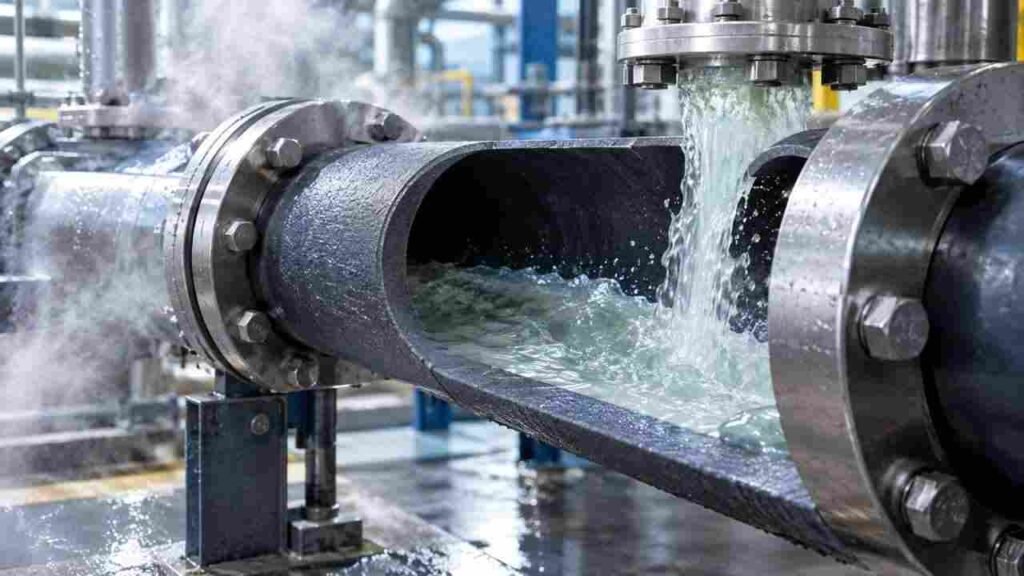
How Chemical Properties Shape SiC Performance in Real Operations?
Are you clear about how these traits bring tangible benefits in your industrial operations? These connections help you predict component lifespan and plan maintenance schedules.
Extended Service Life in Harsh Thermal Environments
Silicon carbide components last far longer than metal ones in high-heat settings. Kiln furniture made from SiC retains its dimensional accuracy and strength through thousands of thermal cycles. It does not warp or lose integrity the way steel does.
You will see fewer replacements and less downtime for thermal equipment when you use SiC components.[2] This advantage becomes more pronounced as operating temperatures approach 1,400℃. Most alternative materials degrade rapidly under such high temperatures.
Reduced Maintenance in Corrosive Processing
Silicon carbide eliminates most seal failures and pipe corrosion in acid processing lines. Seal faces, pump liners, and reaction tubes made from SiC can run for years in aggressive acid environments with minimal wear.
This stability also reduces contamination risks. Metals are easily corroded, but SiC doesn’t leach ions into your process. This is critical for pharmaceutical, food, and semiconductor manufacturing where purity requirements are strict.
Consistent Performance Under Wear & Chemical Attack
Many industrial components are exposed to mechanical wear and chemical corrosion at the same time, for example, slurry pumping. Most materials fail quickly under this dual stress.
Silicon carbide resists both wear and chemical attack. Its high hardness handles abrasive particles, while its chemical inertness blocks fluid corrosion. It delivers service lives several times longer than alumina ceramic or tungsten carbide in many slurry applications.[3]
Industrial Applications Driven by SiC Chemical Properties
Below are the primary application areas where silicon carbide’s chemical properties deliver the greatest value. You can use this as a reference for whether SiC is suitable for your industry!
Mechanical Seal Faces for Chemical Pumps
Mechanical seals operate in direct contact with process fluids. If you run pumps handling acids, caustic solutions, or solvents, silicon carbide seal faces can often be your best option. They maintain a smooth, flat sealing surface even after prolonged exposure to corrosive media.
SiC seals also handle dry-running conditions better than most materials. Their chemical stability pairs with excellent thermal conductivity to dissipate frictional heat quickly. This reduces thermal cracking, also extending seal life in upset operating conditions.
Kiln Furniture & Thermal Processing Components
If you operate high-temperature furnaces for sintering, calcining, or heat treatment, SiC kiln furniture improves both throughput and product quality. SiC shelves, beams, and setters support heavy loads at 1,400℃+ without sagging.
Their oxidation resistance means they do not develop flaky oxide layers that can contaminate your workpieces. You can run production cycles with minimal cleaning and maintenance.
Semiconductor Manufacturing
SiC components meet the requirements of ultra-high purity and chemical resistance for wafer processing equipment. They resist attack from etching chemicals, plasma environments, and high-temperature processing gases.
For designing or maintaining diffusion furnaces, epitaxy reactors, or wafer handling systems, high-purity silicon carbide parts reduce contamination risks.[2] They also maintain precision across extreme temperature swings, supporting consistent wafer yield.
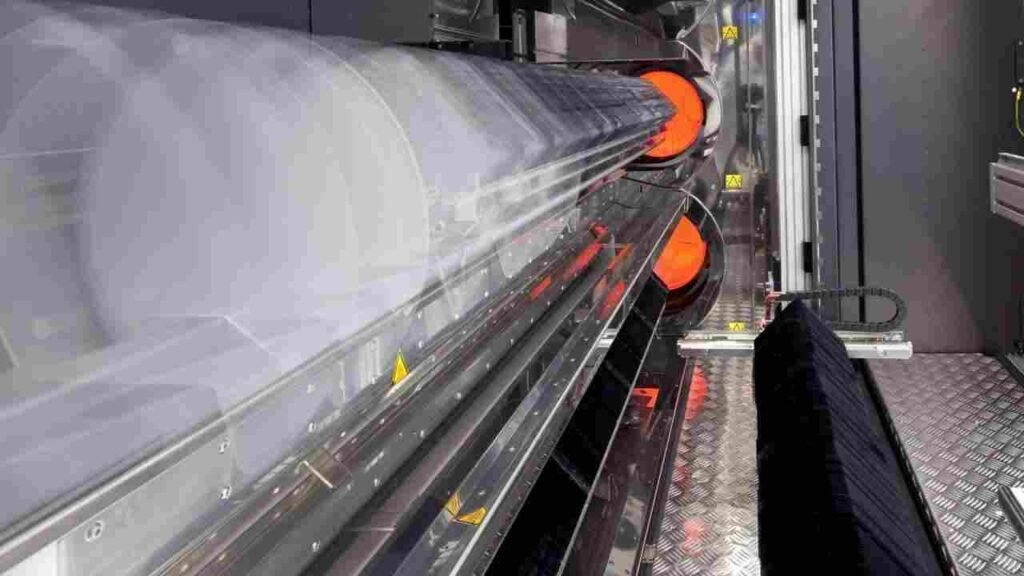
Pump Components for Corrosive Fluids
For chemical transfer systems handling strong acids or mixed corrosive fluids, SiC liners protect equipment from degradation. You can line steel pipes and pump casings with silicon carbide tiles to create a corrosion-resistant path.
This approach often costs less than building entire systems from exotic alloys. It also handles higher flow velocities and solid particle content than fluoropolymer linings can tolerate.
Metallurgical Crucibles & Fire-Resistant Linings
Non-ferrous foundries and metal processing operations benefit from silicon carbide’s good chemical property. If you melt aluminum, brass, or bronze, SiC crucibles hold up better than graphite ones. They do not absorb metal, resist thermal shock, and transfer heat efficiently.
SiC fire-resistant linings also extend furnace wall life in metal melting and holding applications. Their resistance to slag attack reduces patching and relining.
FAQs
Does silicon carbide react with water or steam?
At room temperature, silicon carbide is completely inert to water and steam. At temperatures above 1,000℃, high-pressure steam can cause gradual oxidation.
Can SiC be used with hydrofluoric acid?
Yes at room and moderate temperatures. Only mixed HF-nitric acid solutions cause heavy erosion.
How does purity affect the chemical resistance of SiC?
Higher purity silicon carbide consistently delivers better chemical resistance.
Does silicon carbide dissolve in any common industrial chemicals?
Under normal operating temperatures, no.
How does SiC compare to alumina ceramic in chemical resistance?
Alumina works well for mild to moderate corrosive environments. Silicon carbide handles higher temperatures, stronger acids, and more severe thermal-chemical cycling.
Conclusion
The chemical properties of silicon carbide make it one of the most versatile high-performance ceramics available to industry. Select SiC components for your equipment means you are investing in longer service life, less maintenance downtime, and lower contamination risk.
Confusing about how to match the right SiC grade to your specific conditions? Contact us! Newthink has decades years of experience on silicon carbide ceramic materials. Tell us your working conditions, we will recommend the best one for your industry.