
Silicon Carbide (SiC) is a significant advanced ceramic that is used extensively in contemporary industry. SiC was discovered accidentally by Acheson in 1891 while trying to make diamond. It has been a material prized for its strength, hardness and reliability during the last 100 years.
SiC is currently becoming a preferred material for applications where metals or traditional ceramics are not appropriate. Process improvements make it possible to produce SiC in bulk and utilize it heavily in numerous harsh industrial applications.
What is the Definition of Silicon Carbide?
Silicon carbide, also known as SiC, is a compound of silicon and carbon. It forms in two principal modifications: the low-temperature stable cubic crystal form β-SiC, and the high-temperature stable hexagonal crystal form α-SiC. In normal conditions, a unit cell of a silicon carbide crystal contains four Si atoms around each C atom, and correspondingly, four C atoms also around one Si atom. All the atom are strongly bonded covalent in a tetrahedral structure. [1]
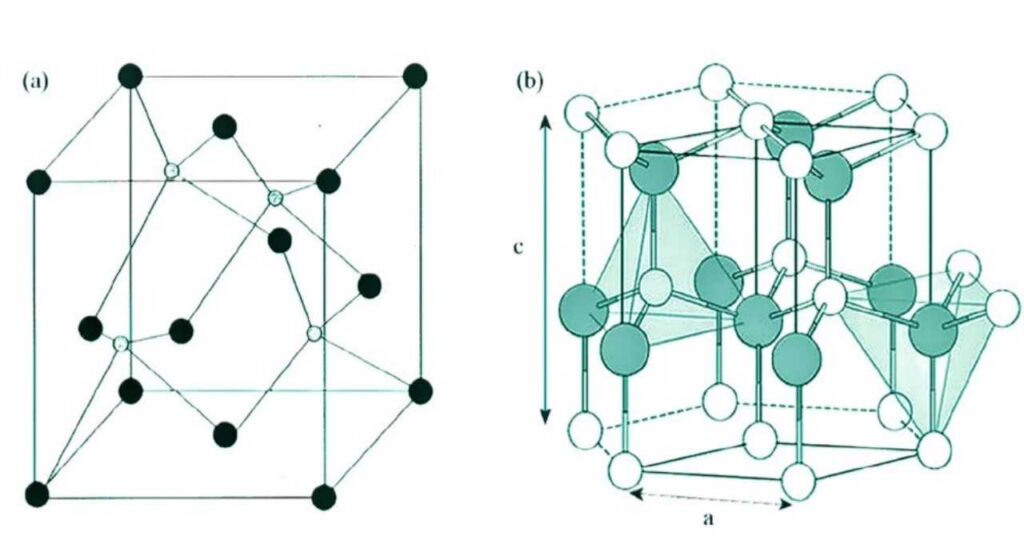
Because of its tightly bonded crystal structure, SiC is very hard, second only to diamond and boron carbide. It also has a very high melting point. All these features make it suitable for use in extreme environments where traditional materials may easily degrade. This is the premise of its extensive uses in advanced industries.
SiC naturally occurs very rarely. Due to its rarity, all silicon carbide used in modern industrial applications is man-made. The technology to synthesize silicon carbide is now mature and affordable. Its products are widely applied in many industrial productions.
What are the Properties of Silicon Carbide?
Silicon carbide is very stable due to the strong covalent bonding that has taken place between silicon and carbon atoms. SiC ceramics excel over other materials as they possess excellent mechanical, thermal, and chemical properties.
High Temperature Strength
Unlike metals and traditional ceramics, silicon carbide does not lose its strength even at high temperatures above 1600℃. So it is an ideal material for furnace and aerospace applications.
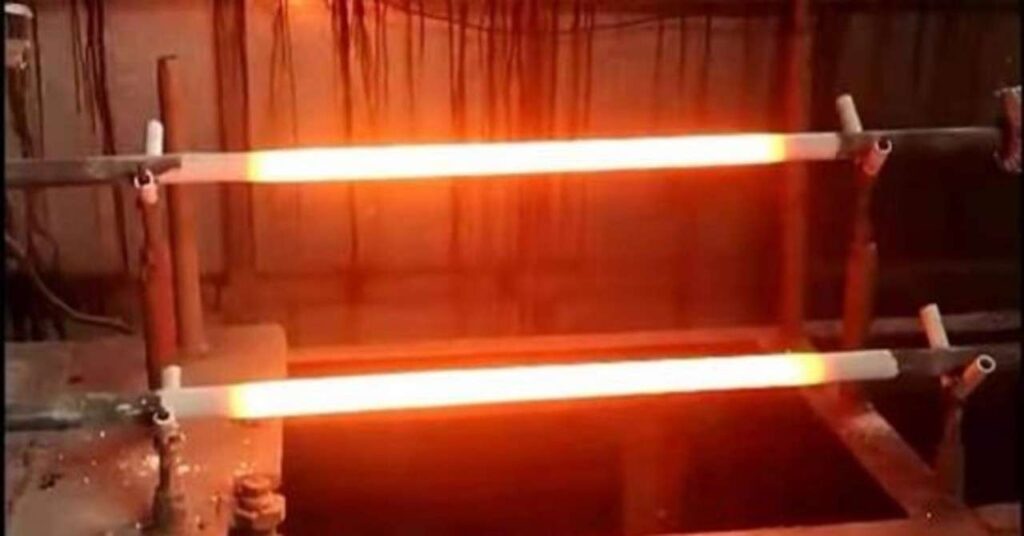
Extreme Hardness and Wear Resistance
With Mohs hardness about 9.5, SiC ranks second only behind diamond and boron carbide in terms of strength and hardness[2]. It has high abrasion resistance, appropriate for mechanical seals, bearings, and wear parts.
Good Thermal Conductivity
Owing to the crystal structure, SiC is a good heat conductor with very low thermal expansion. It also has good thermal shock resistance, which is critical for the use in kiln furniture and high-temperature parts.
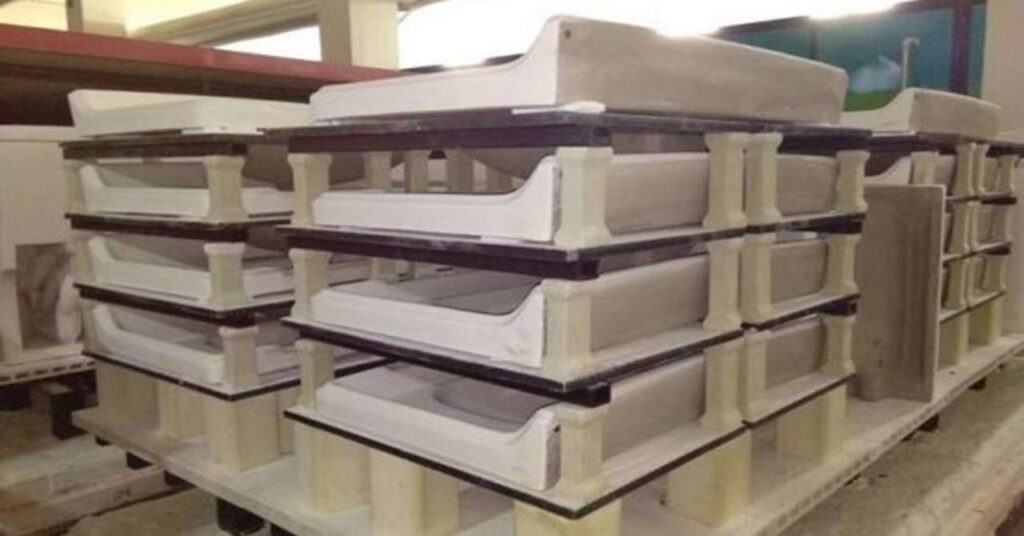
Excellent Chemical Resistance
The strongly bonded covalent network makes SiC resistant to acids and alkalis, as well as general molten metals. It is widely used in chemical process and metallurgical industries where there is a requirement of corrosion resistance.
Its inherent properties explain the reason that SiC performs beter than metals and traditional ceramics in tough industrial environments. Their performance can be variable based on the manufacturing process. Different grades of SiC are developed to meet the specific industrial needs.
Silicon Carbide Data with Different Type
| Item | Unit | Data | ||||
| RBSiC (SiSiC) | NBSiC | SSiC | RSiC | OSiC | ||
| Max Service Temperature | ℃ | 1380 | 1450 | 1650 | 1620 | 1400 |
| Density | g/cm3 | 3.02 | 2.75-2.85 | 3.08-3.16 | 2.65-2.75 | 2.75-2.85 |
| Open Porosity | % | 0 | 13-15 | 0 | 15-18 | 7-8 |
| Bending Strength 20℃ | Mpa | 250 | 160 | 380 | 100 | / |
| Bending Strength 1200℃ | Mpa | 280 | 180 | 400 | 120 | / |
| Modulus of Elasticity 20℃ | Gpa | 330 | 580 | 420 | 240 | / |
| Modulus of Elasticity 1200℃ | Gpa | 300 | / | / | 200 | / |
| Thermal Conductivity 1200℃ | W/m·k | 45 | 19.6 | 100-120 | 36.6 | / |
| Coefficient of Thermal Expansion | K-1x10⁻⁶ | 4.5 | 4.7 | 4.1 | 4.69 | / |
| HV | kg/mm2 | 2115 | / | 2800 | / | / |
What is Silicon Carbide Used for?
In general industries, metal parts quickly reach their limits in lots of harsh operating environments. Different stresses will act individually or in combination to damage the metal parts. However, silicon carbide ones provide a better solution. Their characteristics of good hardness, thermal stability, and chemical resistance enable stable operation reliably under the equal harsh environments.
High-Temperature
Silicon carbide ceramics exhibit high thermal conductivity typically 100-120 W/(m·K), providing stable and efficient heat transfer from part to part. They can also withstand extreme heat and rapid temperature changes with a high melting point of approximately 2700℃ and high strength even at 1600℃, making them ideal for kiln furniture, furnace linings and heat exchangers[3].
Semiconductors
Silicon carbide ceramics are widely used in the semiconductor industry to manufacture vacuum chucks and arms. Their low thermal expansion coefficient and high thermal conductivity provide great benefits in reducing thermal stress and deformation during high-temperature operation. SiC ceramics provide more efficient heat dissipation, maintaining a stable operating temperature and improving performance.
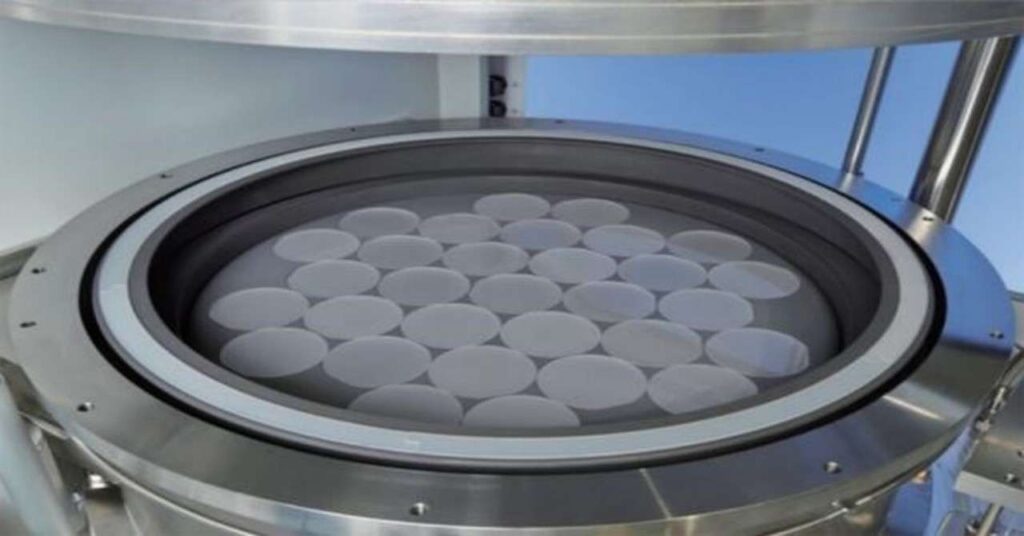
Wear Resistance
Metals are the most commonly used sealing materials in industry. However, they suffer from poor sealing performance, susceptibility to corrosion and short lifespans. From this point, SiC offers strong corrosion resistance, high strength, high hardness, high thermal conductivity, and excellent wear resistance. Currently, SiC is an ideal material for seals, bearings and nozzles.
Defense and Military
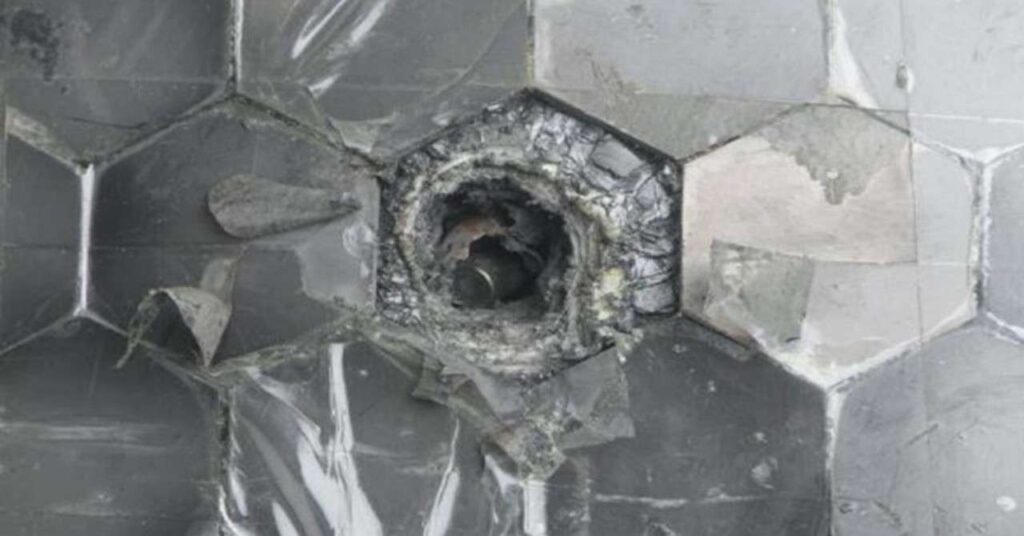
Among the ballistic ceramics, alumina, silicon carbide, and boron carbide are used most commonly. The high hardness and light weight of SiC make it superior to alumina in ballistic performance, and it is less expensive than boron carbide. It is a prime choice for lightweight ballistic clothing. Absorbing impact energy by shattering, it is suitable for multiple strikes.[4]
In aerospace, its high-temperature resistance takes advantages in the applications like rocket nozzles and reflectors.
Conclusion
Silicon carbide demonstrates broad application prospects across multiple fields due to its exceptional performance. Beyond its traditional applications in kiln furniture and mechanical seals, its excellent performance has also made it a shining star in the semiconductor industry. Its lightweight and excellent ballistic resistance have opened new avenues for military defense. The applications of SiC in the chemical, aerospace sectors and other industries are also expanding.
With the non-stop progress of science and technology, the application prospects of SiC ceramics will be explored in more industries fields. We believe that silicon carbide will open up new possibilities for future technological advancement through continuous research and innovation.
Thanks for your reading. We hope that this article has helped to better express a sense of SiC and its characteristics. If you have any further interest in learning more about SiC, SiC ceramics or other advanced ceramics, Newthink New Materials welcome your contact for further information.
Reference
- Neudeck, P. (2000). Silicon Carbide Electronic Devices. Encyclopedia of Materials: Science and Technology (Second Edition), 8508-8519.
- Locke, C., Severino, A., La Via, F., Reyes, M., Register, J., & Saddow, S. (2012). SiC Films and Coatings: Amorphous, Polycrystalline, and Single Crystal Forms. Silicon Carbide Biotechnology.
- Daviau, K., & Lee, K. K. (2018). High-Pressure, High-Temperature Behavior of Silicon Carbide: A Review. Crystals, 8(5), 217.
- Dresch, A. B., Venturini, J., Arcaro, S., Montedo, O. R., & Bergmann, C. P. (2021). Ballistic ceramics and analysis of their mechanical properties for armour applications: A review. Ceramics International, 47(7), 8743-8761.