
Advanced ceramics are widely used for modern industrial operations. With them, you can push equipment to extreme limits. Among them, silicon carbide (SiC) has become the first choice for components subjected to high heat, heavy wear, and corrosive conditions.
If you are looking for ceramic materials for your next project or equipment upgrade, this guide helps you understand the advantages and disadvantages of silicon carbide ceramics. We focus on real-world industrial performance so that you can weigh tradeoffs against your specific operating needs and budget.
Advantages of Silicon Carbide Ceramic Materials
Silicon carbide stands apart from common ceramics like alumina and zirconia. Its unique structure delivers a rare set of properties, making it excel in harsh industrial environments.
Exceptional High-Temperature Strength
Most materials lose significant strength as temperatures rise. Silicon carbide retains most of its room-temperature strength at temperatures above 1,400℃.[2]
Moreover, it has a very low coefficient of thermal expansion that is similar to glass. This makes it ideal for furnace linings, kiln furniture, heat exchanger tubes, and high-temperature burner nozzles to withstand rapid heating and cooling cycles without risk of cracking or deformation.[1]
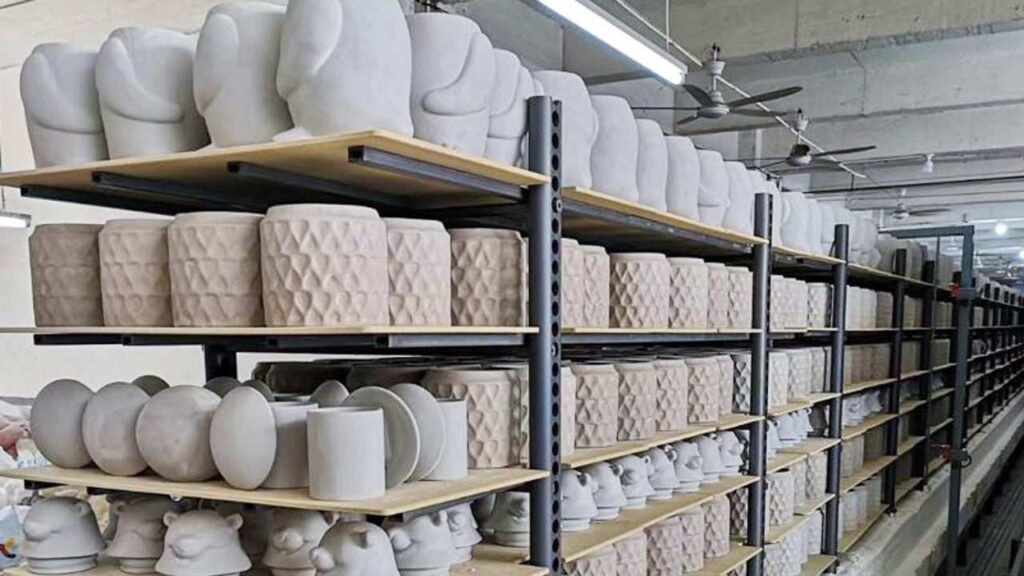
Excellent Hardness & Wear Resistance
Silicon carbide has hardness second only to diamond and cubic boron nitride. This provides it with excellent wear and erosion resistance. SiC ceramic parts can endure continuous rubbing against abrasive slurries, particles and fast-moving fluid mediums.
For wear applications, SiC parts outlast alumina ones 2~5 times.[2] This means fewer replacements and machine downtime, favorable in slurry pumps, mechanical seals, and sandblasting nozzles.
Corrosion & Oxidation Resistance
Silicon carbide is inert to most acids, alkalis, and molten non-ferrous metals. It does not react with them even at high temperatures, because it will form a protective silica layer on its surface. This layer can slow further oxidation.
For chemical processing, semiconductor manufacturing, and metal refining operations, its high chemical resistance prevents contamination and extends service life, also reducing your maintenance costs.
High Thermal Conductivity
Silicon carbide has a higher thermal conductivity than many common metals. It can dissipate heat quickly and evenly across surfaces, preventing localized hot spots. Thus, it is becoming popular for electronic heat sinks, semiconductor wafer processing components, and high-performance heat exchangers.
Thermally conductive silicon carbide ceramic heat sinks improve reliability for high-power electronic devices. You can rely on silicon carbide to maintain consistent temperatures in your thermal management systems.
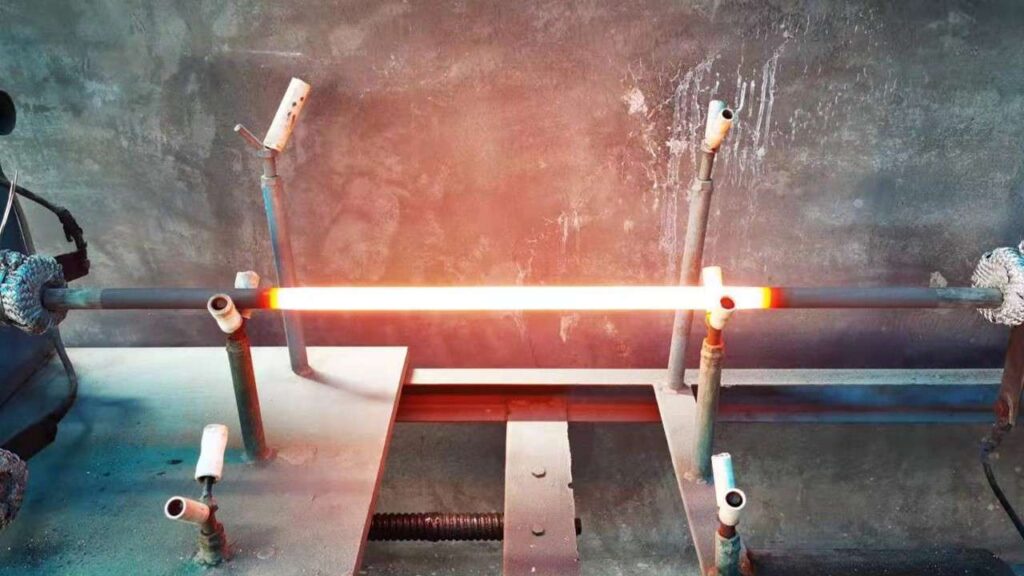
Low Density
Silicon carbide has a density of roughly 3.2 g/cm3.[1] This is about 40% lighter than stainless steel and 20% lighter than alumina. For rotating components, aerospace parts, and automotive systems, this reduction means lower energy consumption and mechanical stress. You can upgrade your equipment performance without adding unnecessary load to supporting structures.
Disadvantages & Limitations of Silicon Carbide Ceramics
Although it offers impressive performance benefits, silicon carbide is not an almighty choice. It still has a poor fit for many use cases.
High Manufacturing Costs
Sintering silicon carbide requires extremely high temperatures and specialized furnace equipment. High-grade SiC powder is significantly more expensive than alumina or porcelain. Manufacturing finished components also costs more.
If your project has a tight budget and operates in mild conditions, silicon carbide may not deliver a positive return.
Low Impact Resistance
Like most structural ceramics, silicon carbide is brittle. Sudden point loads, heavy impacts, or strong mechanical shocks can cause chipping, cracking, or catastrophic failure.
You need to take extra care during handling, installation, and operation. Silicon carbide is not suitable for applications with regular impact loading.
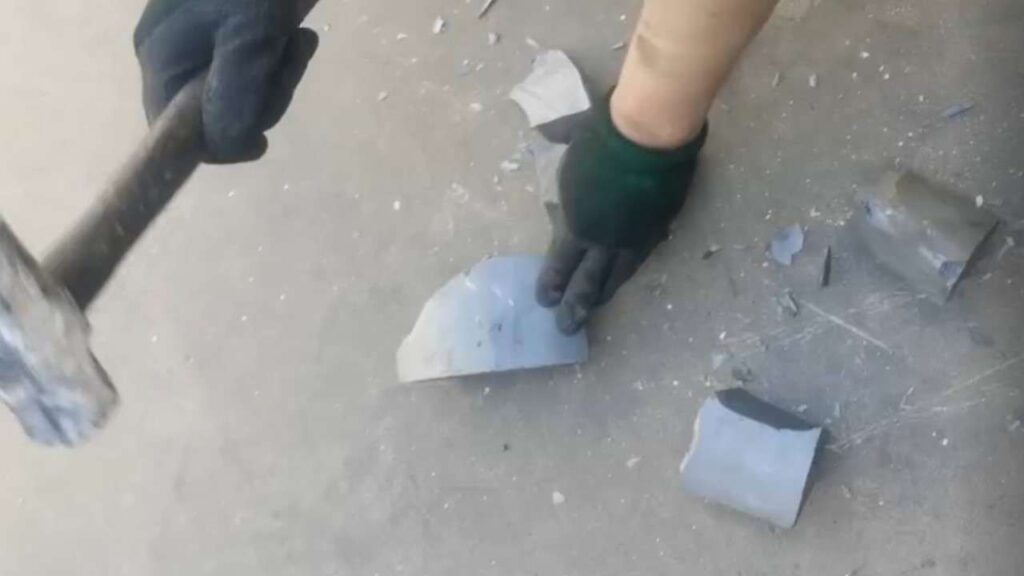
Difficult Post-Machining
The extreme hardness of silicon carbide makes it very hard to machine. Standard metal cutting tools cannot shape SiC components.[3] You need diamond grinding tools, laser machining, or ultrasonic processing to achieve tight tolerances. Custom geometries and precision features add lead time and cost to your order.
Limitations on Shapes
Very large parts are prone to warping or internal defects during production. Ultra-complex internal features, such as intricate channels or undercuts, are difficult to form during green body processing. In some cases, you may need to join multiple SiC pieces.
When to Choose or Avoid Silicon Carbide Ceramic Materials?
How to apply that knowledge to your specific use case? Below is a simple framework to help you make faster, more confident decisions.
When Silicon Carbide is the Right Choice?
Silicon carbide delivers the strongest return on investment in the following scenarios:
- Your equipment operates continuously at temperatures above 1,000℃.[4]
- Components face constant abrasion from slurries, particles, or high-velocity fluids.
- Your process involves corrosive chemicals or molten metals.
- You need high thermal conductivity for precision thermal management.
- Long service life and reduced downtime are higher priorities than upfront cost.
When You Should Consider Other Materials?
Silicon carbide is usually not the best option if:
- You have a limited component budget and operate in mild conditions.
- Your application involves regular heavy impact or shock loading.
- You need very large, one-piece custom components.
- Parts require frequent modification or repair.
For these cases, materials like alumina ceramic, zirconia, graphite, or engineered plastics may offer better value.
FAQs
What is the maximum continuous operating temperature for silicon carbide ceramics?
In standard air environments, high-purity silicon carbide can operate continuously at up to 1,600℃. In inert or vacuum atmospheres, it can withstand temperatures up to roughly 2,200℃.
How does the cost of silicon carbide compare to alumina ceramic?
For equivalent component sizes and geometries, silicon carbide typically costs 2~4 times more than alumina ceramic.
Can silicon carbide ceramics be used in food and beverage processing?
Yes, high-purity, food-grade silicon carbide is safe for direct food contact. It is non-toxic, does not leach substances, and resists bacterial adhesion.
Is silicon carbide ceramic electrically conductive?
Standard industrial-grade silicon carbide acts as an electrical insulator for most low- to medium-voltage applications. Doped variants can be produced for conductive or semiconductor uses.
How much longer do silicon carbide parts last compared to metal parts?
In appropriate wear or corrosion applications, silicon carbide components typically last 5~10 times longer than stainless steel or other common metal equivalents.
Can damaged silicon carbide ceramic parts be repaired?
Minor surface chips can be smoothed and refinished with diamond grinding to remove sharp edges. However, structural cracks or serious damage cannot be reliably repaired.
Final Thoughts
Silicon carbide ceramic is a premium high-performance material that delivers unmatched durability in the harshest industrial environments. At the same time, its higher cost, brittleness, and machining limitations mean it is not the right choice for every project.
If you prioritize long service life in extreme conditions, silicon carbide will always deliver the best value. For less demanding applications, more affordable alternatives may be a smarter fit.
Newthink New Materials is a professional silicon carbide ceramic supplier. You can contact us with your industrial conditions; we can help you judge if silicon carbide is suitable for your industry.
Reference
[3] Harris, G. L. (Ed.). (1995). Properties of silicon carbide (No. 13). Iet.