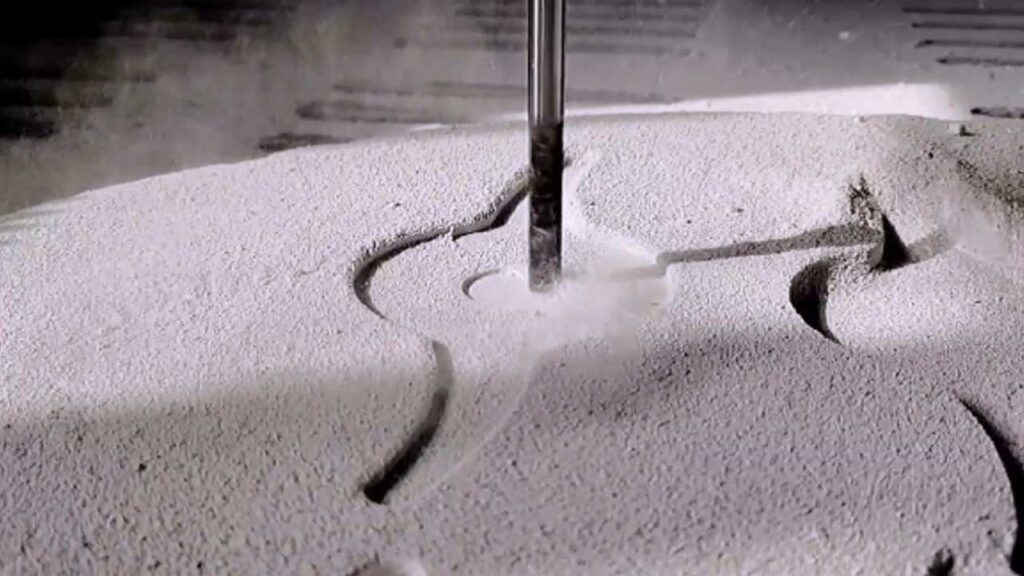
Industrial operations with high temperatures, abrasive materials, and corrosive chemicals may wear your components fast. If you face these challenges, advanced ceramic materials may hold the solution.
Silicon carbide ceramics are a high-performance material. They have become widely used across demanding modern industries. They are stable and durable where metals and traditional ceramics fail. This article will show some main industrial applications and the benefits of silicon carbide ceramic materials.
4 Properties Make Silicon Carbide Ceramics Ideal for Industrial Use
It helps to learn the properties that set SiC ceramics apart from other materials. They will bring tangible benefits for your operations.
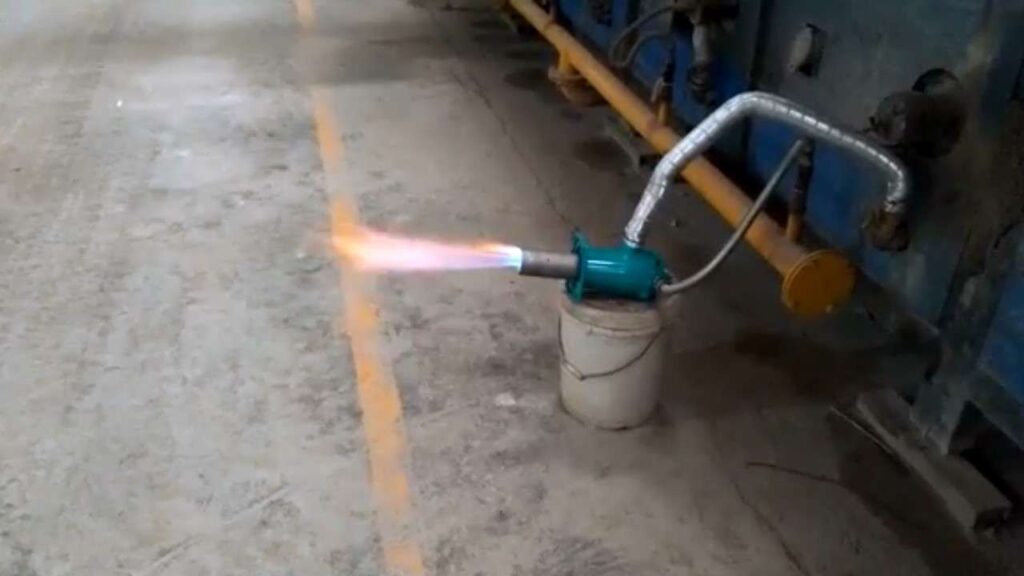
Excellent High-Temperature Strength
Most metals and standard ceramics lose their strength at high temperatures. Silicon carbide retains most of its mechanical strength up to 1,600℃ in air.[1] It can withstand even higher temperatures in inert or vacuum environments, perfect for furnace and heat-processing equipment.
Superior Wear Resistance
Abrasive slurries, particles, and friction quickly degrade metal and plastic components. Silicon carbide is one of the hardest industrial materials available. It resists abrasion far better than stainless steel, alumina, or rubber, providing longer service life in high-wear settings.
Good Corrosion Resistance
Corrosive fluids, acids, and alkalis corrode metal parts over time. SiC ceramics are chemically inert to most industrial substances. They do not rust, oxidize, or degrade when exposed to harsh chemicals.
High Thermal Conductivity
Comparable to some metals, silicon carbide has very high thermal conductivity. It also has an extremely low coefficient of thermal expansion. This means it can resist thermal shock and maintain stable dimensions across temperature swings.
Key Applications of Silicon Carbide Ceramic Materials
With these advantages, let’s look at the most impactful uses of SiC ceramics across modern industries.
Semiconductor Manufacturing
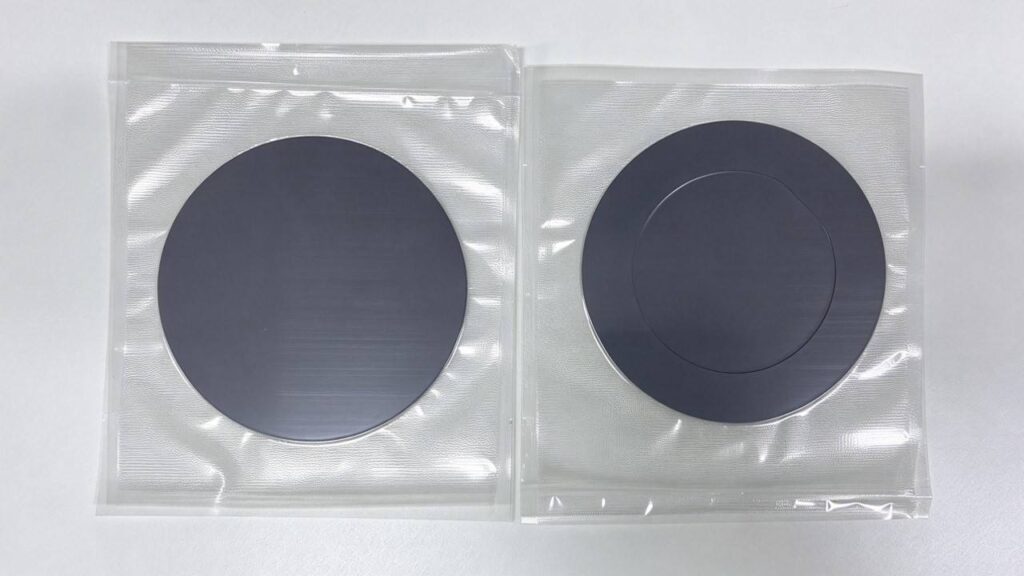
Semiconductor manufacturing processes need ultra-high accuracy and purity. SiC ceramic materials are extensively employed in semiconductor wafer handling machinery for various applications like susceptors, wafer carriers, furnace tubes, and process chamber liners.
Due to the high uniformity in thermal properties of SiC components, the heating process is evenly distributed over silicon wafers. The high purity of SiC ceramics prevents contamination of sensitive microchips to reduce product defects, improving your yield.
Thermal Systems
Waste heat is produced in large quantities through industrial activities. Silicon carbide heat exchangers are effective at making use of it, working particularly well with corrosive fluids or high temperatures. This makes them indispensable for industries such as chemicals, energy, and metallurgy.
Thermal conductivity of SiC allows for quick and efficient heat exchange, while its corrosion resistance provides long-lasting performance.
Mechanical Seals & Pump Components
Pumps and rotating equipment often fail because of seal wear and chemical damage. Silicon carbide ceramic mechanical seals outperform rubber, carbon, and metal seals by a wide margin. They resist abrasion from particle-laden fluids and corrosion from chemicals.
With high-temperature resistance, they also maintain a tight seal across wide temperature ranges. This reduces leakage, extends maintenance intervals, and cuts your operational costs.
Mining & Mineral Liners
Mine operations process abrasive ores, slurry, and aggregates. Chute, cyclone, pipeline, and other types of equipment undergo intense wear.
The lining made of silicon carbide ceramic serves as protection against wear and impact for such equipment. Their service life is 5-10 times longer than that of steel linings, reducing your replacement times and costs.[3]
Aerospace & Defense Structural Components
Aerospace and defense systems demand lightweight and high-strength materials. Silicon carbide ceramics excel in extreme temperature and pressure environments. They are used in rocket nozzle components, armor tiles, and thermal protection systems.
With a high strength-to-weight ratio, using them can effectively reduce overall system weight without sacrificing durability. They also maintain performance at temperatures that would melt most metals.
Automotive & Energy Systems
Silicon carbide ceramics play a growing role in this sector. They are used in power electronics substrates for EV inverters and charging systems, also form diesel particulate filters and thermal management components. Their thermal stability and durability support long service life in demanding vehicle environments.
Common Grades of Silicon Carbide Ceramics & Uses
Not all silicon carbide ceramics are the same. Different manufacturing methods produce grades with distinct properties and price points. Choosing the right grade helps you balance performance and cost for your specific application.
Reaction-Bonded Silicon Carbide
RBSiC is the most cost-effective SiC grade. It has good strength and wear resistance but slight residual porosity.[2]
This type of SiC works well for general wear parts, liners, and medium-temperature applications.
Sintered Silicon Carbide
SSiC is produced with high-temperature sintering and fine powder. It is fully dense and offers superior mechanical properties.
This type of SiC has better wear resistance, chemical resistance, and thermal performance than RBSiC. It is ideal for mechanical seals, high-performance heat exchangers, and precision components.[2]
Chemical Vapor Deposited Silicon Carbide
CVD SiC is grown through a chemical vapor deposition process. With extremely high purity and a fully dense, defect-free structure, it is the most expensive grade but delivers unmatched performance.
This type of SiC is used almost exclusively for semiconductor manufacturing components where purity is critical.
FAQs
What is the maximum continuous operating temperature for silicon carbide ceramics?
Exact limits vary slightly by grade and manufacturing method.
In standard air environments, most SiC grades operate continuously up to 1,600℃. In inert or vacuum atmospheres, they can withstand temperatures up to 2,200℃.
Can silicon carbide ceramics be made into complex custom shapes?
Yes, they can. Modern forming techniques like injection molding, CNC machining and 3D printing produce complex SiC components. Tight tolerances are achievable with precision grinding.
How does silicon carbide ceramic compare to alumina ceramic in industrial applications?
Silicon carbide outperforms alumina in almost every key performance metric. It has higher hardness, better thermal conductivity, and superior high-temperature strength.
Alumina remains a lower-cost option for less demanding applications.
How does the cost of silicon carbide ceramics compare to steel components?
Silicon carbide components have a higher upfront cost than steel. However, they last 5-15 times longer in harsh environments. This results in lower total cost of ownership over time due to reduced maintenance and replacement.
Are silicon carbide ceramics safe for food and beverage processing?
Yes. They are non-toxic, chemically inert, and easy to clean, commonly used in pump seals, wear parts, and processing equipment for food and beverage production.
Do silicon carbide ceramic components require regular maintenance?
Nearly no. They do not rust, corrode, or degrade over time. You should inspect them periodically for impact damage or excessive wear.
Can damaged silicon carbide ceramic parts be repaired?
Minor chips or surface damage can. Severe cracks or structural damage generally cannot be repaired effectively. In most cases, full replacement is the recommended solution.
Conclusion
Silicon carbide ceramic materials bring excellent performance to a wide range of industrial applications. From semiconductor manufacturing to mining and aerospace, they solve problems that traditional materials cannot, delivering long-term value.
For high-wear, high-heat, or corrosive environments, silicon carbide ceramics are almost always a worthwhile investment. Newthink New Materials provides high-quality silicon carbide ceramic parts to your highly demanding industry. Feel free to contact us!