
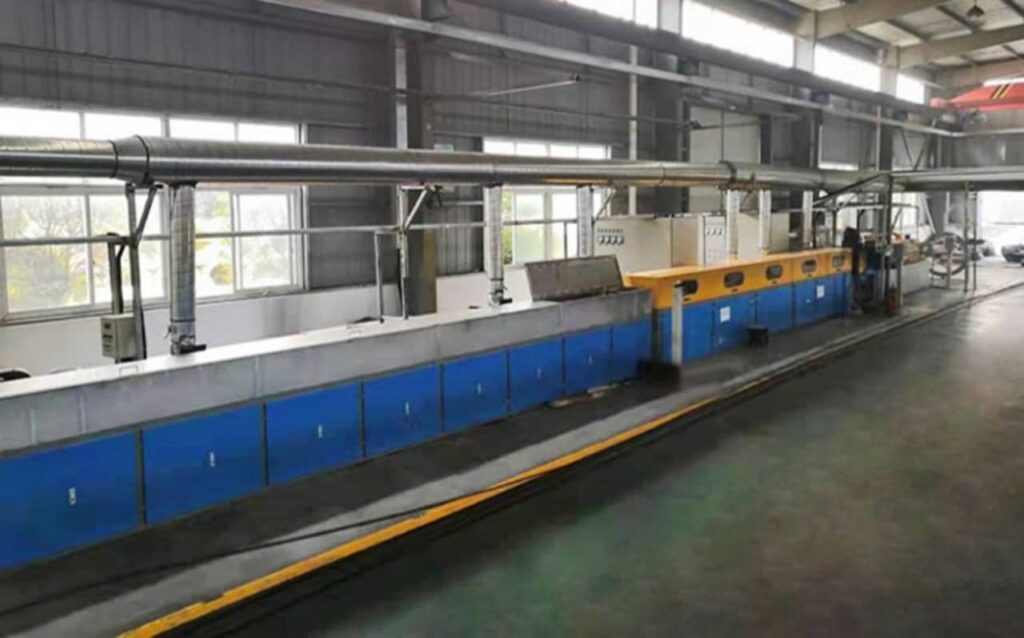
Material failure due to hot or corrosive environments will result in costly downtime. Silicon carbide and alumina are often balanced against one another by engineers when selecting among structural ceramics. While alumina is an economic and versatile choice, SiC takes advantage of its higher strength, wear resistance and thermal conductivity. A deeper understanding of their difference helps to select the most economic and suitable one.
What is Silicon Carbide?
Silicon carbide (SiC) is an advanced ceramic used in various industries. It is made from silicon and carbon, known for its:
- Excellent hardness
- Outstanding wear and corrosion resistance
- Good thermal conductivity of 120-150 W/m·K
- Low thermal expansion with 4.5×10⁻⁶/℃
These properties make SiC retain mechanical strength above 500 MPa at high temperatures up to 1600℃. This is significantly higher than that of alumina. SiC exists in several forms, like SSiC and RBSiC. They are used in semiconductor, aerospace and chemical industries.
If you are finding more details about silicon carbide, please see our previous articles.
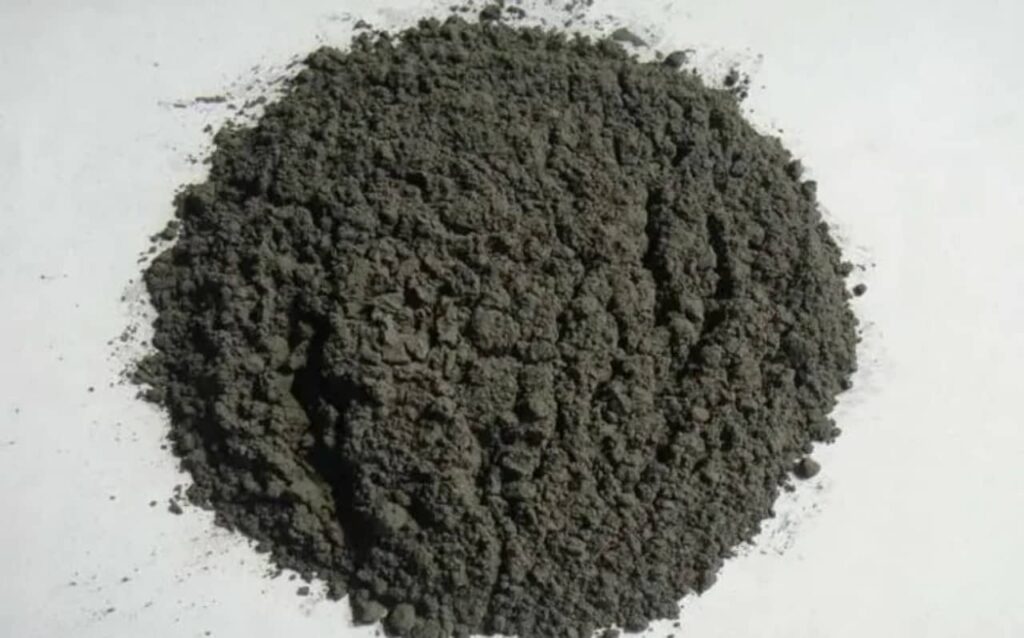
What is Alumina?
Alumina (Al2O3) is a classic engineering ceramic. It is also called aluminum oxide, valued for:
- Good hardness
- Excellent electrical insulation
- Stable performance up to ~1300℃
- Low cost and easier machining
Alumina has lower toughness and thermal shock resistance than SiC, which means that alumina is less suitable for thermal cycling under harsh environments.
Property Comparison of SiC vs. Alumina
Before choosing silicon carbide or alumina, one need to understand how their detailed performance. The chart gives a comparison between the two materials. It shows how SiC performs better than alumina in harsh conditions.
Table 1. Properties Comparison of SiC and Alumina
| Property | Silicon Carbide (SiC) | Alumina (Al2O3) |
| Density (g/cm3) | 3.15-3.22 | 3.7-3.9 |
| Hardness (HV) | 2200-3000 | 1500-1800 |
| Flexural Strength (MPa) | 500-700 | 350-400 |
| Fracture Toughness (MPa·m1/2) | 5-7 | 3-4.5 |
| Thermal Conductivity (W/m·K) | 120-150 | 20-32 |
| Thermal Expansion (10-6/℃) | 4.5 | 7.5-8.2 |
| Max Service Temp (℃) | 1600 (inert atmosphere) | 1300 (air) |
| Electrical Resistivity (Ω·cm, 20℃) | >106 (semiconductive) | >1014 (insulator) |
| Corrosion Rate (90℃ HNO3) | <0.01 mm/year | <0.12 mm/year |
| Machinability | Hard, requires diamond tools | Easier, conventional tools |
| Material Cost | 3-5× of alumina | Lower |
In conclusion, SiC provide superior strength, wear and thermal performance. Alumina offers lower cost and easier processing for general applications.
Where SiC Supersedes Alumina?
Silicon carbide excels in industries due to its exceptional strength and performance. Compared with alumina, SiC can offer advantages in wear and corrosion resistance as well as thermal stability. The following texts shows the key differences that can explain why SiC is preferred.
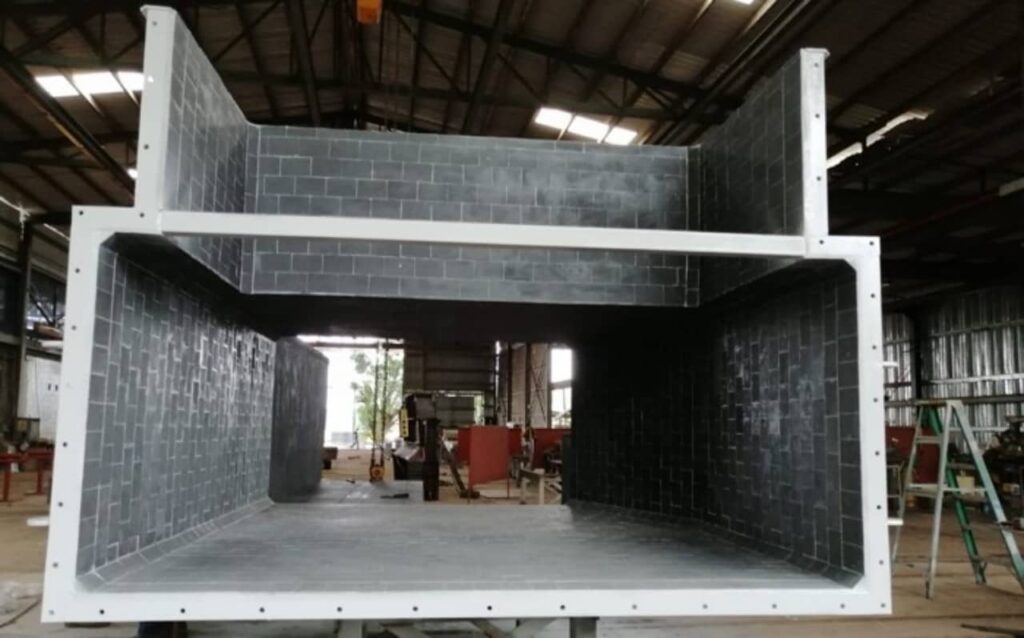
1. Mechanical Strength
With a flexural strength up to 700 MPa and high hardness over 2200 HV, SiC has 2 times higher durability than alumina. Its toughness prevents crack, extending the service life of components such as nozzles, seals and bearings.
2. Thermal Stability
SiC’s thermal conductivity of 120-150 W/m·K is nearly six times than that of alumina. It ensures efficient heat dissipation in electronics and semiconductor systems. Its low expansion coefficient of 4.5×10⁻⁶/℃ gives excellent resistance to thermal shock during rapid temperature changes.
3. Chemical Resistance
SiC resists acids and alkalis even under harsh conditions. Its corrosion rate in 90℃ nitric acid is less than 0.01 mm per year. In contrast, that of alumina is 0.12 mm per year. It shows SiC is ideal for corrosive chemical processing systems.
4. Weight
SiC has a lower density of about 3.2 g/cm³ and is approximately 30% lighter than alumina. It can reduce load and improve efficiency. This property is especially important in aerospace and high-speed machinery.
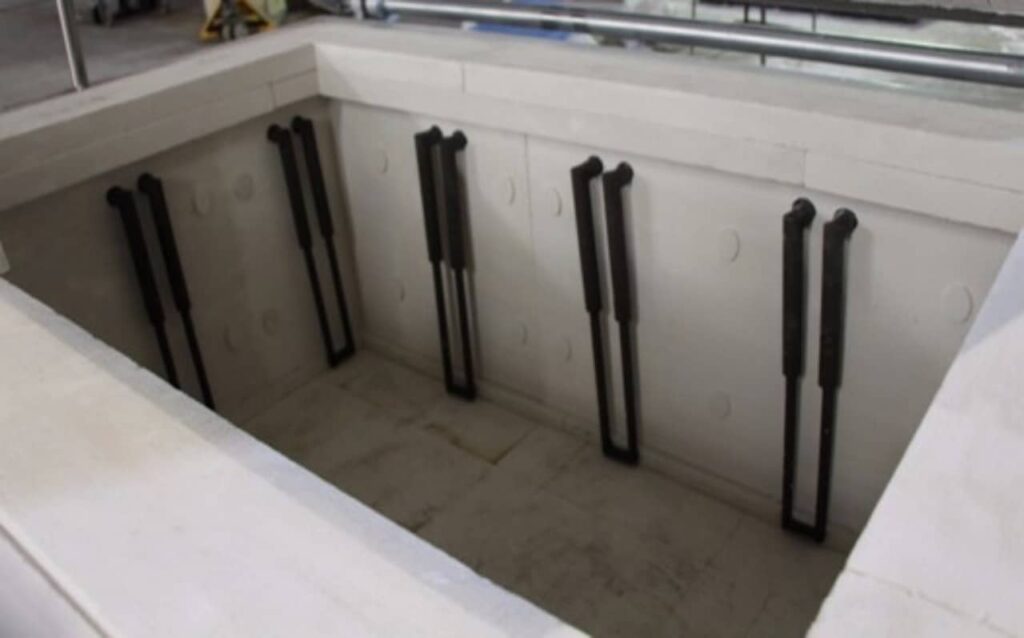
5. Cost and Machining Considerations
SiC raw materials are 3-5× more expensive and harder to machine. However, its long-term performance lowers overall operating costs through reduced replacement frequency and higher reliability.
SiC or Alumina?
Selecting which ceramic mainly depends on your working environment. Temperature, mechanical stress, chemical exposure and budget. We summarizes some typical use-case recommendations, helping quickly determine when SiC provides long-term benefits.
Table 2. SiC vs. Alumina by Application
| Application | Recommended Material | Reason |
| High temperature (>1200℃), thermal shock | SiC | Maintains strength, avoids cracking |
| Strong wear or corrosion exposure | SiC | Excellent chemical and wear resistance |
| Heat dissipation (semiconductors, substrates) | SiC | High thermal conductivity |
| Electrical insulation, moderate temperature | Al2O3 | Excellent dielectric property |
| Cost-sensitive, large-volume production | Al2O3 | Lower raw material and machining cost |
Application Examples
Both materials have well-defined applications. SiC has an excellent property in high-performance and harsh-environment applications. Alumina is still popular in cost-efficient and insulating designs.
Table 3. Typical Applications of SiC and Alumina Ceramics
| Industry | SiC Advantage Cases | Alumina Advantage Cases |
| Semiconductors | Electrostatic chucks, wafer carriers | Insulating substrates, packaging parts |
| Wear Components | Grinding liners, desulfurization nozzles | Textile guides, valve seals |
| High-Temperature Equipment | Crucibles, kiln furniture | Heater supports, insulating tubes |
Conclusion
SiC and alumina are play key roles in modern industry. SiC clearly leads in mechanical strength, thermal performance and corrosion resistance. Thought its production and machining costs are higher, SiC provides better durability for harsh industries from semiconductors to aerospace. For applications that need high temperature, wear or corrosion resistance, SiC delivers long-term value.
Your Trusted Partner in Advanced Ceramic Industry
Today, there is an increasing reliance on advanced ceramics like SiC. Many industries use it to enhance efficiency and durability. Working with a reliable and experienced ceramic manufacturer becomes more and more important. From material selection to delivery, a dependable partner can ensure consistent quality for long-term performance.
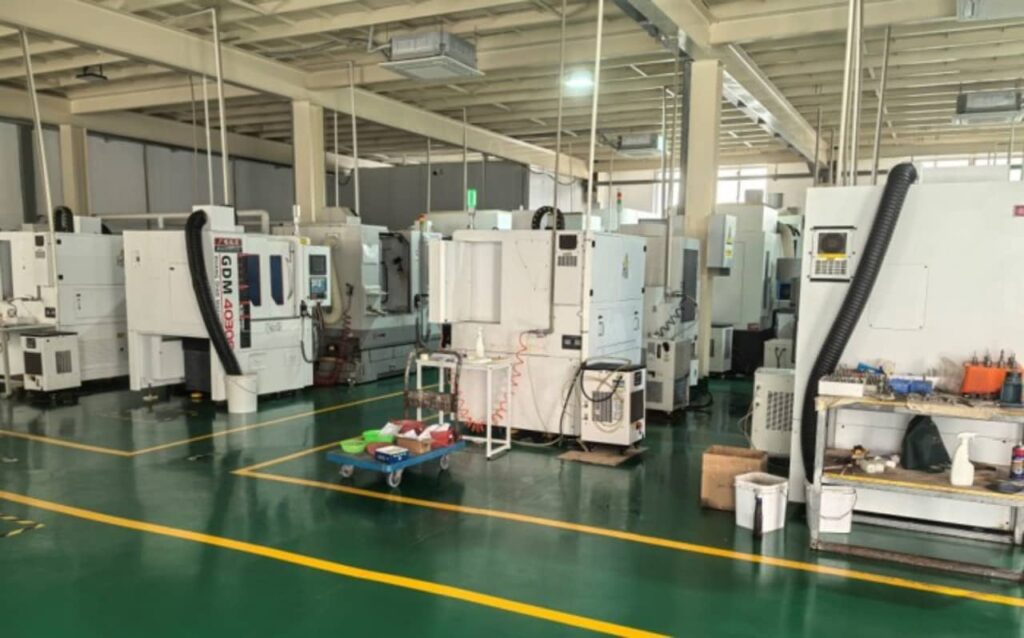
Newthink New Materials has been dedicated to providing advanced ceramic components for over 14 years. With expertise in advanced ceramics, our company serves clients across more than 40 countries. We providing customized, high-precision ceramic parts that meet the demanding requirements of industries such as semiconductors, aerospace, automotive and energy.
If you’re interested in learning more about our SiC ceramic products, or exploring how NKM can support your projects, we invite you to visit our homepage for more information and technical resources.
Reference
- Izhevskyi, V. A., Genova, L. A., Bressiani, J. C., & Bressiani, A. H. A. (2000). silicon carbide. Structure, properties and processing. Cerâmica, 46, 4-13.
- Ben-Nissan, B., Choi, A. H., & Cordingley, R. (2008). Alumina ceramics. In Bioceramics and their clinical applications (pp. 223-242). Woodhead Publishing.
- Abderrazak, H., & Hmida, E. S. B. H. (2011). Silicon carbide: synthesis and properties. Properties and applications of Silicon Carbide, 361-388.
- Lim, K. Y., Kim, Y. W., & Kim, K. J. (2014). Mechanical properties of electrically conductive silicon carbide ceramics. Ceramics International, 40(7), 10577-10582.