
Modern industry is looking for advanced materials reliable even under extreme environments. As a popular advanced ceramic, silicon carbide is inevitably compared to metals. Both materials have their own properties. SiC ceramics show excellent performance in high-temperature, corrosive and wear environments. In contrast, metals are versatile, ductile and easy to machine. Understanding the strengths and limits of them helps making decisions. This article will provide help to decide which material to choose through detailed introduction and comparison.
What is SiC Ceramic?
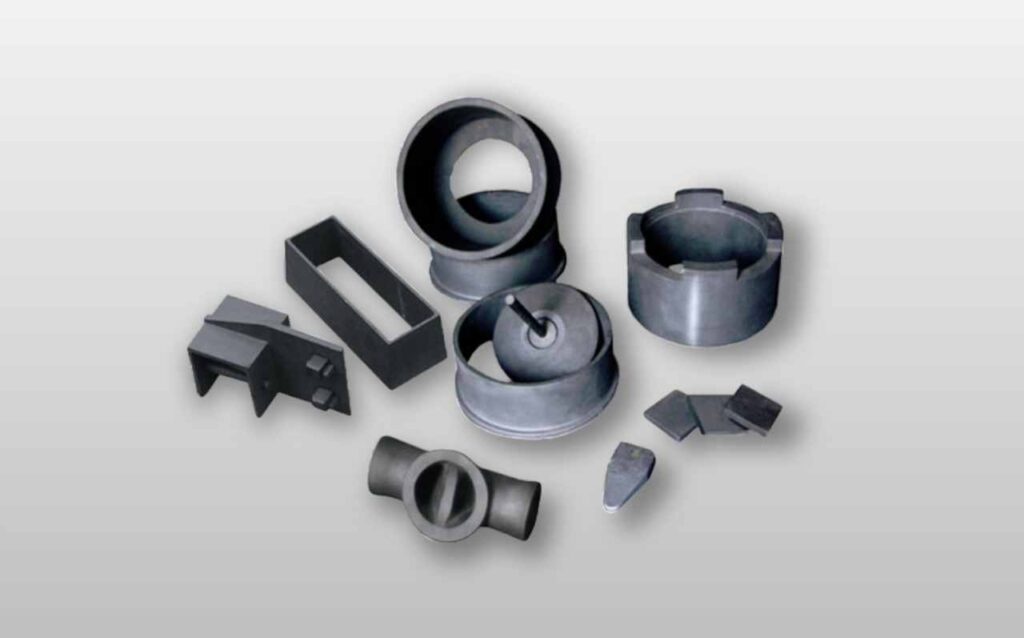
Silicon carbide (SiC) is one of the advanced ceramics made from silicon and carbon. It has excellent hardness, lightweight and stability even at high temperatures. With strong resistance to wear and corrosion, SiC ceramic is widely used in kilns, semiconductor equipment, mechanical seals and defense applications.[1]
So, what are engineering metals?
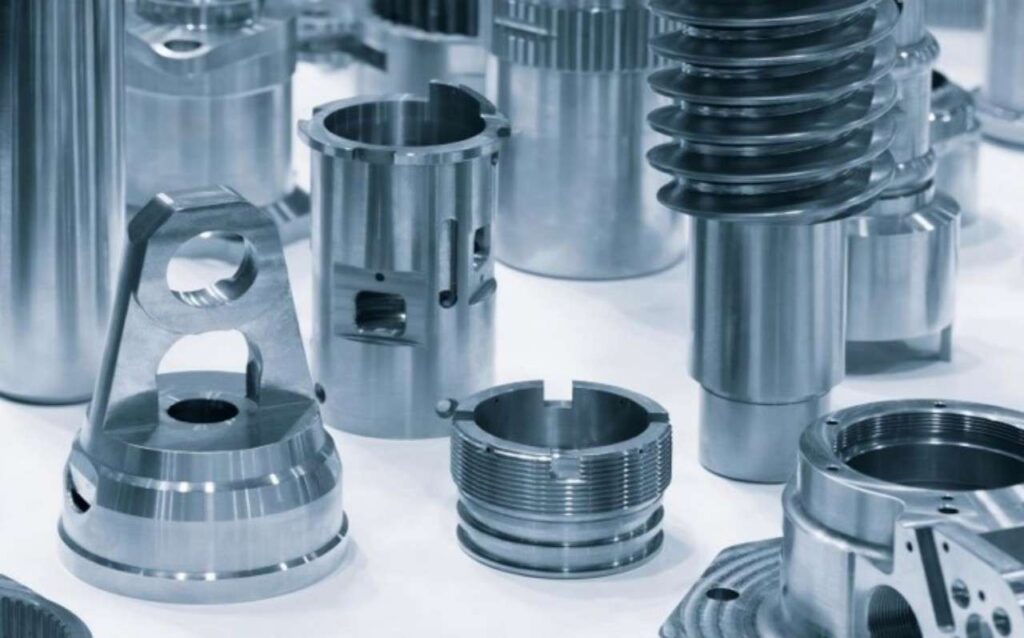
Metals such as steel, aluminum and titanium have been the pillar of engineering. They have great hardness and ductility. These properties make them ideal for machinery.[2] However, in extreme conditions, metals will be soften, corrode, or wear. In the extreme conditions, there is a need for alternatives like advanced ceramics.
Key Properties of SiC Ceramics vs. Metals
Because of toughness, formability and low cost, metals have been the pillars of engineering for centuries. SiC ceramics is a new generation of advanced materials designed for extreme environments. To see which material performs better, it is important to examine their properties. The following text shows the key differences that influence material choice in modern industries.
1. Hardness and Wear Resistance
SiC ceramics have a Mohs hardness of 9.5, second only to diamond. It gives them outstanding abrasion resistance far beyond traditional steels and alloys. In mining, pumps, and seals, SiC lasts nearly 10 times longer than metal ones.[3][4]
2. Strength and Toughness
Metals offer excellent toughness and ductility. But their properties make them easily bend rather than break. In contrast, SiC provides high compressive strength of 2000-3500 MPa. This makes SiC ideal for components that face high mechanical loads.
Compared to metals, such as steel, SiC ceramic is more brittle under the impact.
3. High-Temperature Resistance
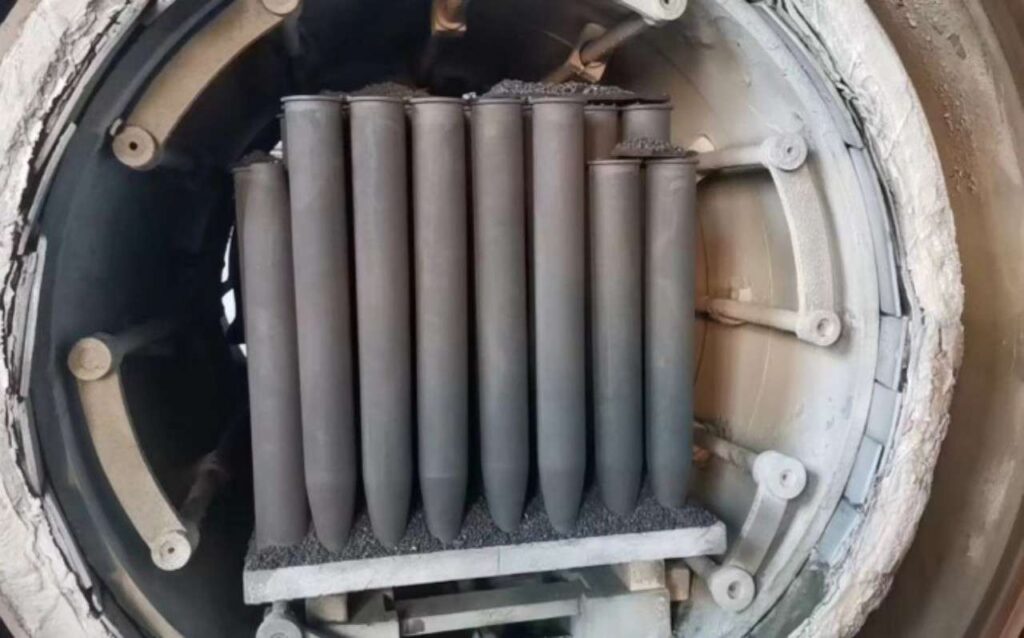
SiC maintains stability up to 1600℃ in air, and 2000℃ in inert atmospheres. However, stainless steel soften about 1200℃. Even advanced alloys like Inconel have limits. In furnaces and kilns, SiC absolutely outperforms.
4. Thermal Conductivity and Expansion
The thermal conductivity of SiC is much higher than most metals. At the same time, its thermal expansion coefficient is low at about 4.5×10⁻⁶/℃. It allows efficient heat transfer and reduce thermal shock risk. Both advantages are critical in semiconductor and aerospace applications.
5. Corrosion and Oxidation Resistance
SiC can resist acids, alkalis, and molten salts. At the same time, it can maintain protective SiO2 layers at high temperatures. In contrast, metals require coatings and are easily to cause localized corrosion (e.g. pitting, oxidation). This makes SiC the preferred choice in chemical and petrochemical industries.[5]
6. Electrical and Thermal Properties
Unlike metals, SiC is an excellent electrical insulator with resistivity above 108Ω·cm. However, it still conducts heat efficiently. SiC is ideal for power electronics and semiconductor support parts. Metals would cause contamination or interference.
7. Cost and Machinability
Metals are easy to machine, weld, and form, with much lower costs. However, SiC’s long service life often reduces lifecycle costs in demanding environments. It needs to be considered comprehensively based on factors such as equipment, environment and service period.
Performance Comparison Chart for Quick Review
| Property | Silicon Carbide (SiC) | Typical Metals (Stainless Steel, Alloys) |
| Density (g/cm³) | 3.1-3.2 (lightweight) | 7.9 (steel) 4.5 (titanium) |
| Hardness | Mohs 9.5 | HRC 20-60 |
| Compressive Strength | 2000-3500 MPa | 300-1500 MPa |
| Max Service Temp. | 1600-2000°C | 600-1200°C |
| Thermal Conductivity | 40-120 W/m·K | 15-50 W/m·K |
| Thermal Expansion | 4.5×10⁻⁶/℃ (low) | 10-20 ×10⁻⁶/℃ |
| Corrosion Resistance | Excellent | Variable, often requires coatings |
| Electrical Conductivity | Insulator | Good conductor |
| Machinability | Difficult (hard tooling) | Easy (machining, welding) |
| Cost | High | Lower |
Application Cases
The foregoing is a comparison of weaknesses and strengths. However, real considerations are practical uses. Different industries have different problems. Extreme heat, corrosive chemicals, abrasion, or the requirement for the strength of light. Finding out how SiC ceramics and metals hold up to them. Understanding further which material offers the best value in a specific environment.
1. High-Temperature Environments
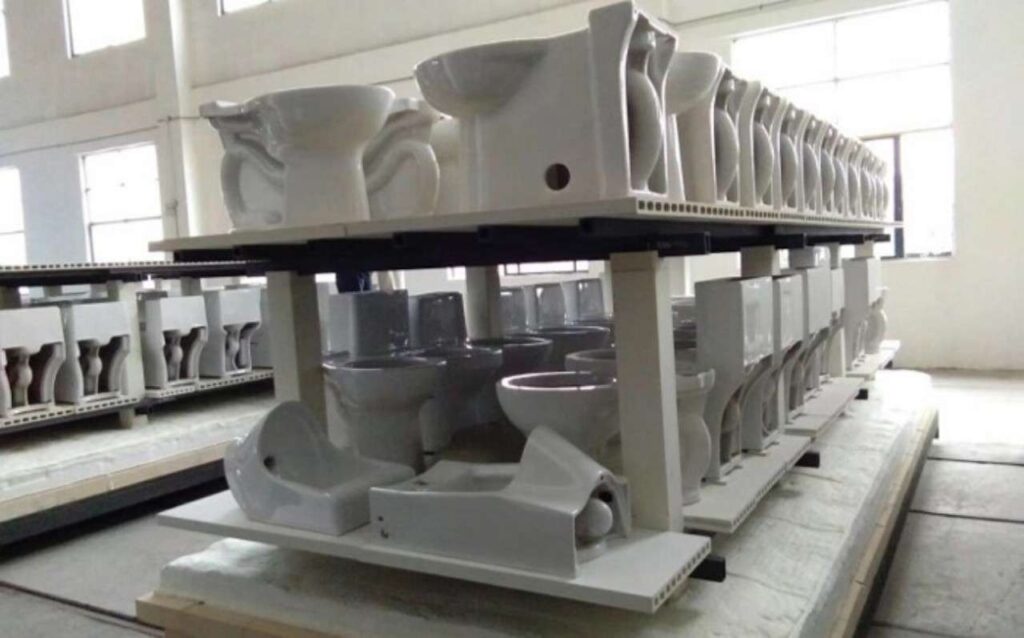
Aerospace and kilns require materials that operate reliably at high temperatures above 1000℃ without degradation. Kiln furniture, combustion chambers and high-temperature plates are required to resist repeated thermal cycling.
SiC Ceramics:
SiC is stable to 1600℃ in air and 2000℃ in inert atmospheres. Its low thermal expansion and oxidation resistance make it can endure thermal shock. It is ideal for high-heat structural parts.
Metals:
Stainless steels and nickel alloys provide decent resistance up to 600-1200℃. They soften, creep, or oxidize at higher ranges. While easy to fabricate, their service life is often shortened under prolonged heat stress.[6]
2. Corrosive Environments
Materials of chemical plants, marine equipment and energy systems expose to strong corrosion. Pumps, valves and reaction vessels must maintain integrity, against chemical attack to avoid shutdowns.
SiC Ceramics:
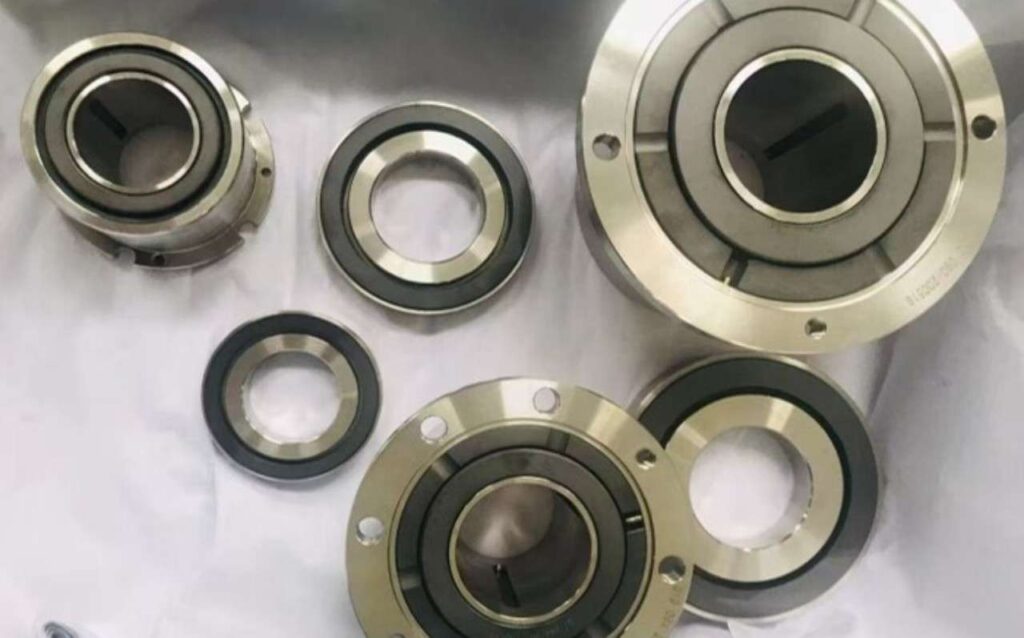
SiC shows exceptional stability in acids and molten salts. It has a corrosion rate of less than 0.01 mm/year in 98% sulfuric acid at 95℃. This makes it well-suited for chemical reactors and sealing components.
Metals:
Stainless steel is commonly used. It may pit in chloride-rich conditions. Titanium alloys resist corrosion better, but they are expensive and less economical for large-scale use. Maintenance and replacement are more frequently than ceramics.
3. Wear-Intensive Applications
Mining, mechanical seals, and industrial nozzles are continuously exposed to friction and abrasive media. Components in such environments need to resist wear to extend service life.
SiC Ceramics:
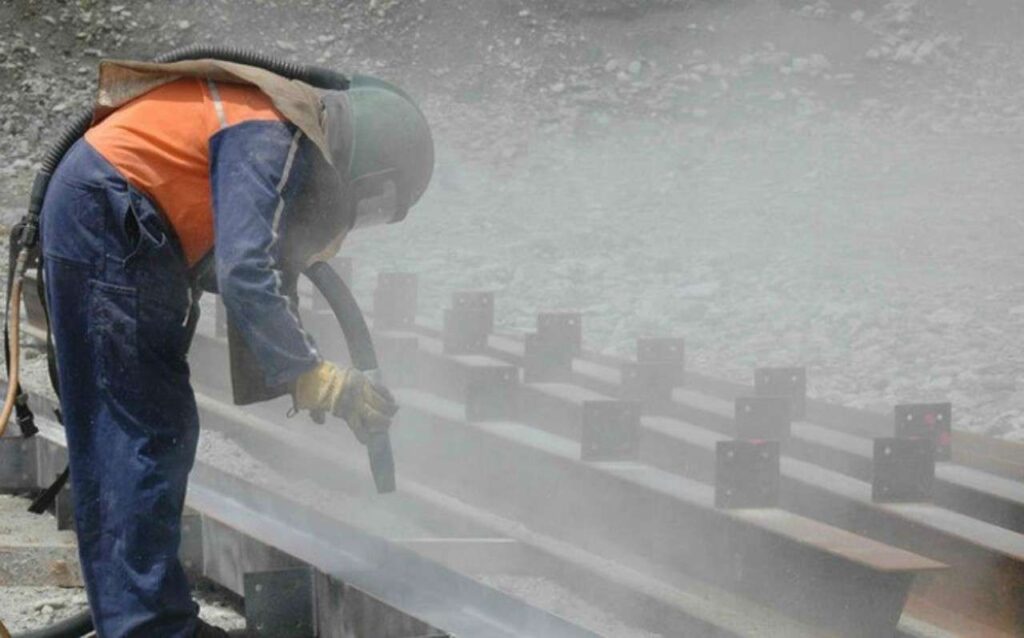
SiC has good hardness and wear resistance. It offers service time up to ten times longer than standard alloys in abrasive conditions. It performs reliably in slurry pumps, nozzles and seals.
Metals:
Metals such as hardened steels provide toughness but rapid wear under continuous particle flow. Protective coatings may improve performance. It also brings higher cost and complexity.[7]
4. Lightweight and High-Stiffness Applications
In aerospace and semiconductor industries, lower weight and maintaining structural strength are important. Components like brackets and rotors demand both stiffness and low weight.
SiC Ceramics:
SiC is about 40% lighter than steel, offering a stiffness of 400 GPa (higher than steel’s 200 GPa). It can be used in precision semiconductor tools and lightweight defense applications.
Metals:
Aluminum and titanium alloys are lightweight and ductile. However, they cannot match SiC’s stiffness at a similar weight.
Conclusion
The comparison between SiC ceramics and metals shows that each material has its place in position. Metals remain irreplaceable in ductility, fabrication ease, and cost efficiency. They are still indispensable for large-scale structures and engineering needs. SiC ceramics offer excellent performance in high-temperature, corrosive, wear and lightweight applications, where metals will quickly reach their limits.
Thank you for your reading. To learn more about how SiC ceramics can be applied to your projects, please see our pages or directly contact us. NKM is poised to provide technical guidance and tailor-made solutions for your specific application needs.
Reference
[1] Abderrazak, H., & Hmida, E. S. B. H. (2011). Silicon carbide: synthesis and properties. Properties and applications of Silicon Carbide, 361-388.
[2] Lu, K. (2010). The future of metals. Science, 328(5976), 319-320.
[3] Soltys, L. M., Mironyuk, I. F., Mykytyn, I. M., Hnylytsia, I. D., & Turovska, L. V. (2023). Synthesis and properties of silicon carbide. Physics and Chemistry of Solid State, 24(1), 5-16.
[4] Locke, C., Severino, A., La Via, F., Reyes, M., Register, J., & Saddow, S. (2012). SiC Films and Coatings: Amorphous, Polycrystalline, and Single Crystal Forms. Silicon Carbide Biotechnology.
[5] Chen, D., Zhang, H., Zhao, G., Zhu, Z., Yang, J., He, J., … & Zhu, Z. (2024). Investigating the corrosion resistance of different SiC crystal types: from energy sectors to advanced applications. Langmuir, 40(24), 12322-12342.
[6] Meetham, G. W. (1991). High-temperature materials—a general review. journal of Materials Science, 26(4), 853-860.
[7] Li, G., & Yan, Q. (2015). Comparison of friction and wear behavior between C/C, C/C-SiC and metallic composite materials. Tribology Letters, 60(1), 15.